Industrialization and mass manufacturing of electronic products
We help you move from a functional prototype to a solution prepared for more consistent production, better process and real manufacturing vision.
A working prototype is not enough. Manufacturing requires adapting design, materials, assembly, validation and compliance to the target volume and the real product.
- clear requirements for Industrialization and mass manufacturing
- architecture aligned with the product stage
- validation with real hardware and real use
- maintainable implementation for future iterations
When the prototype already works, a different kind of work begins
A functional prototype proves that an idea can work. But manufacturing dozens, hundreds or thousands of units requires a completely different logic.
Mechanical design
You need to review enclosures, parts, tolerances, materials and how they fit into a real manufacturing process.
Electronics and assembly
The PCB, assembly and testing must move from prototype logic to a more repeatable and consistent foundation.
Process and validation
Documentation, manufacturing strategy and validation steps matter much more when you want to produce for real.
You need to review mechanical design, electronics, assembly process, tolerances, materials, repeatability, validation, documentation and the manufacturing strategy. The next challenge is not to build more. The next challenge is to build better.
A working prototype is not always ready for production
Many projects get stuck right here: the prototype seems valid, but as soon as manufacturing is attempted, issues appear with cost, assembly, tolerances, reliability or compliance.
Insufficient repeatability
The prototype works, but it was not designed to be reproduced in series with the same quality and behavior.
Manual assembly that does not scale
What works for one or two units usually creates bottlenecks, errors and variability as soon as volume increases.
Mechanical design not optimized
The enclosure or the mechanical design is not always resolved for volume, assembly or process changes.
Electronics that need revision
The PCB or the electronic architecture may need adjustments to manufacture more consistently and with fewer incidents.
An unclear production strategy
It is not always clear which process makes sense for the unit range and the real maturity of the project.
Compliance without a plan
Validation, documentation and CE marking when applicable should not be discovered too late.
We help you turn a prototype into a product prepared for manufacturing
At RobotUNO we support the transition from a functional prototype to the industrialization phase, adjusting design, process and manufacturing strategy according to volume and product type.
Prototype manufacturability
We analyze how the product is built today and which parts need to change for manufacturing to make sense.
Electronic and mechanical design
We review the PCB, enclosure, parts and joints to reduce risk and prepare a more stable manufacturing base.
Preparation for pilot run
We define the right version to move from one functional unit to an initial run with better criteria and less improvisation.
Strategy according to volume
We choose the process that best fits the expected quantity, unit cost and real maturity of the project.
Materials and process
We assess when it still makes sense to use 3D printing, when to move to intermediate solutions and when to study more industrial processes.
Documentation and validation
We leave a more organized technical foundation for manufacturing, assembly, validation and better scaling decisions.
What we do at RobotUNO to move from prototype to manufacturing
We structure the service around three fronts so the move to production is based on product logic, process and manufacturability from the first review.
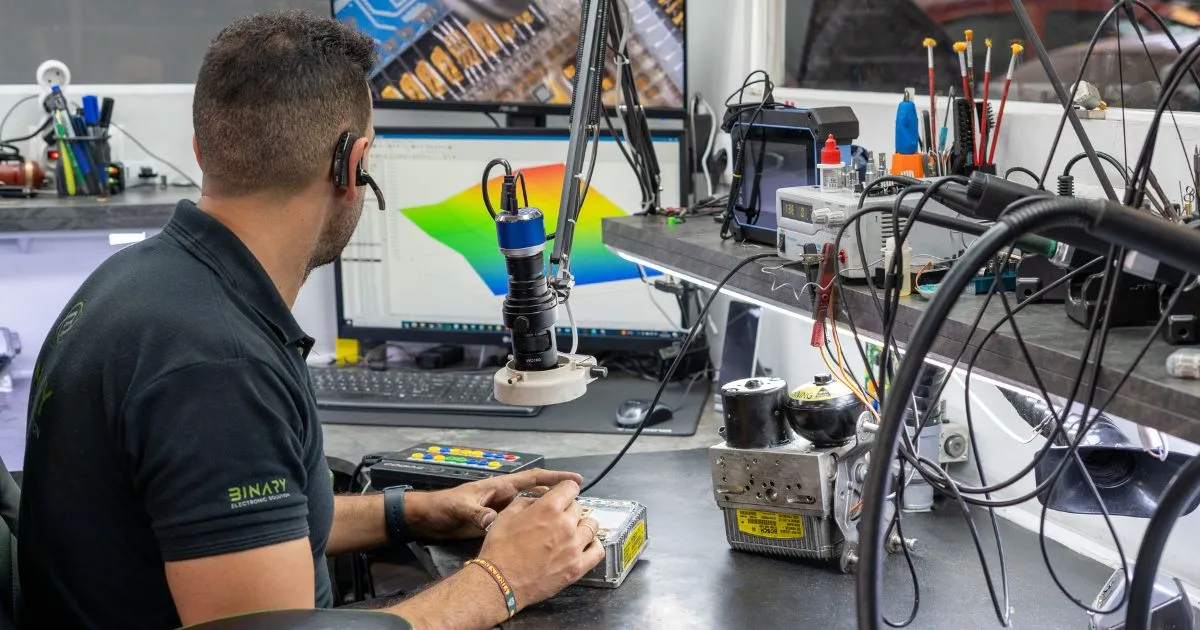
We review what needs to change before production
We start from the current prototype to detect which parts of the electronic, mechanical or assembly design must change to manufacture more consistently.
- prototype manufacturability and weak points
- PCB, enclosure, parts or assembly adjustments
- decisions based on volume and real maturity
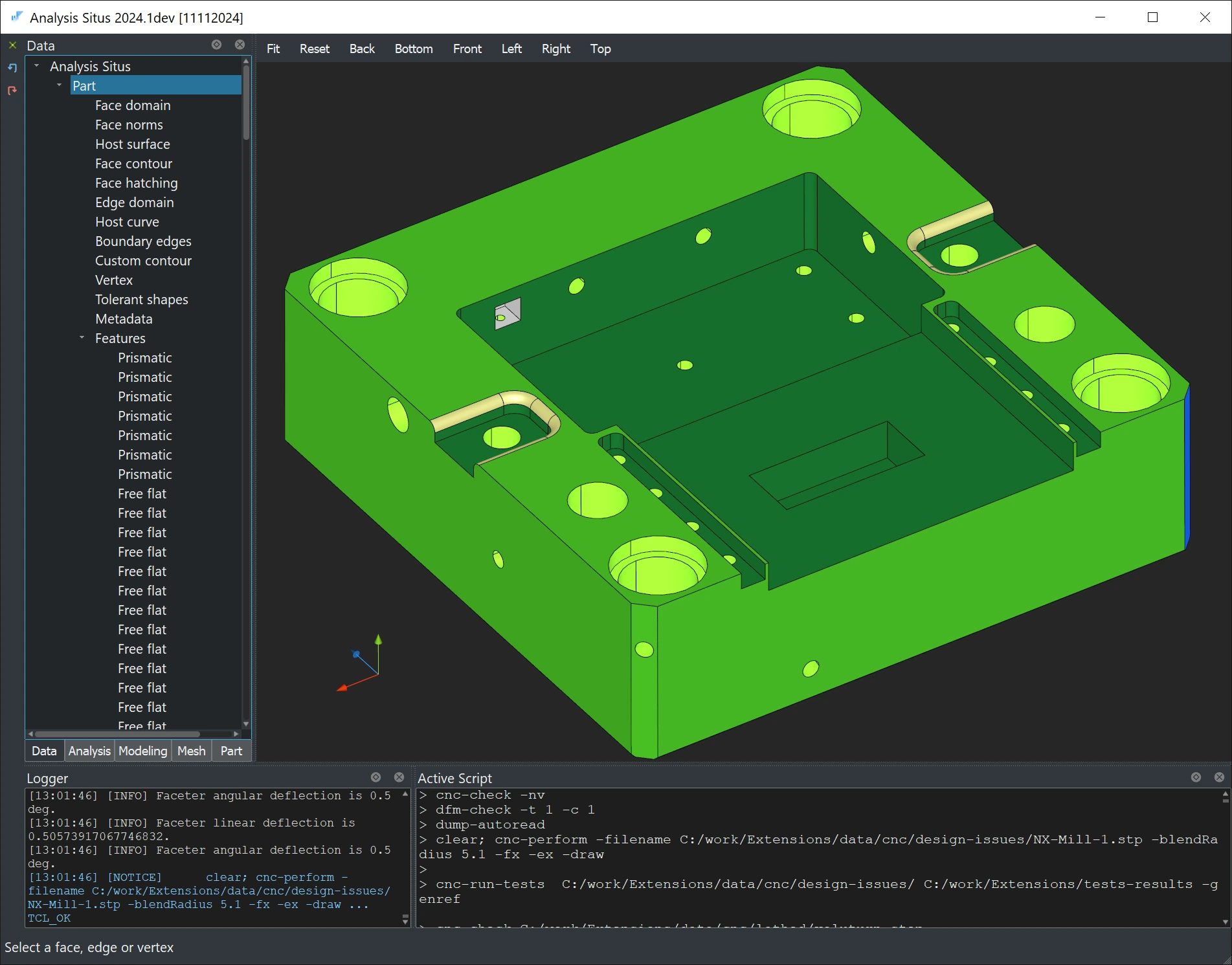
We organize what makes manufacturing repeatable
We prepare the baseline information and process so suppliers, assembly and validation work from a clear reference with less improvisation.
- technical and manufacturing documentation
- BOM, files and assembly criteria
- pilot-run validation and issue control
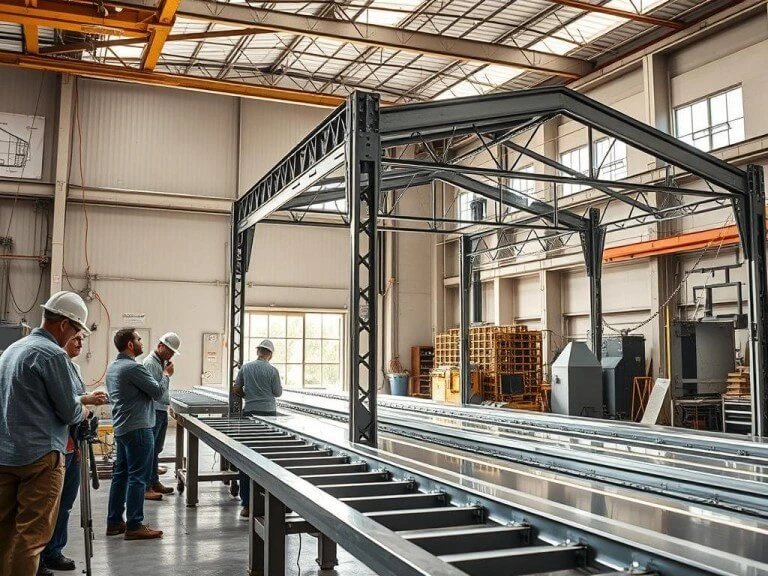
We help you scale with less risk
Industrialization is not just about making more units. It is about making them better. We support that transition to reduce variability and improve scaling decisions.
- repeatability and quality across units
- follow-up for pilot run or initial series
- a foundation prepared to grow with less friction
The strategy changes depending on the unit range
These ranges are indicative. They are not rigid rules, but they are a useful guide for deciding how it makes sense to manufacture.
From 1 to 100 units
Advanced prototyping and short runs. It often makes sense to use 3D printing, semi-manual assembly, quick adjustments and validation in small batches.
- 3D printing for enclosures and parts
- advanced functional prototyping
- assembly of a few units
- fast iteration
- real-use validation
- adjustments before scaling
From 100 to 2000 units
Pilot runs and intermediate production. This is where a more professional manufacturing logic appears: better-resolved enclosures, volume PCBs, more repeatable assembly and tighter unit costs.
- professional 3D printing or intermediate solutions
- PCBs manufactured in volume
- more repeatable assembly
- optimization of unit cost
- manufacturing documentation
- process validation before scaling further
More than 2000 units
Scaled production and stronger industrialization. Beyond a certain volume it often makes sense to study injection molding, tooling, part redesign and a more industrial strategy.
- study of injection molding and tooling when justified
- redesign for more scalable manufacturing
- mechanical and assembly optimization
- cost improvements at volume
- transition to more industrial suppliers and processes
- serious preparation for commercialization and rollout
What this service includes
Review and strategy
- analysis of the current prototype
- manufacturability assessment
- review of electronics, PCB and assembly
- review of enclosure and mechanical process
- strategy proposal according to volume
Transition to manufacturing
- adaptation for pilot run or production
- support in validation and improvement
- preparation of baseline technical documentation
- support in manufacturing decisions
- support with compliance and the next phase
CE marking and compliance: better to approach it properly from the start
When a product is moving out of the prototype stage and closer to the real market, compliance stops being optional as a planning topic. For many electrical, electronic or radio products intended for the EU/EEA, CE marking and the relevant conformity path must be prepared correctly according to the product and target market. For concrete figures and timelines, we break them down in this guide to the cost of CE marking an electronic product.
Applicable requirements
We carry out a preliminary review of the requirements that may apply to the product according to its nature and destination.
Technical documentation
We support the preparation of the baseline documentation so the product reaches the next phase in a more organized way.
Testing and validation
We help plan tests, reviews and technical decisions before problems are discovered too late.
Compliance mindset
We guide the product evolution with compliance in mind whenever it applies to the product and target market.
We do not replace the formal regulatory process when laboratories or external evaluations are involved, but we do help the client bring the product into that phase much better prepared.
Technical support for CE marking, documentation, certifications and industrial property
We do not issue certificates or grant patents: we support you technically so the product reaches each process well prepared, with documentation and testing in order and clear communication with labs and bodies.
Support for CE marking
We help you understand which directives and standards may apply and prepare the product for conformity assessment.
- preliminary review of applicable requirements
- technical preparation ahead of testing
- communication with external laboratories
Technical documentation
We organize the product's documentation base so it is solid, traceable and useful for manufacturing and compliance.
- technical and manufacturing file
- drawings, BOM and assembly instructions
- manuals and version traceability
Certifications and testing
We plan the tests and technical reviews needed before going through an external laboratory.
- identification of foreseeable tests
- technical preparation and pre-review
- support during the certification process
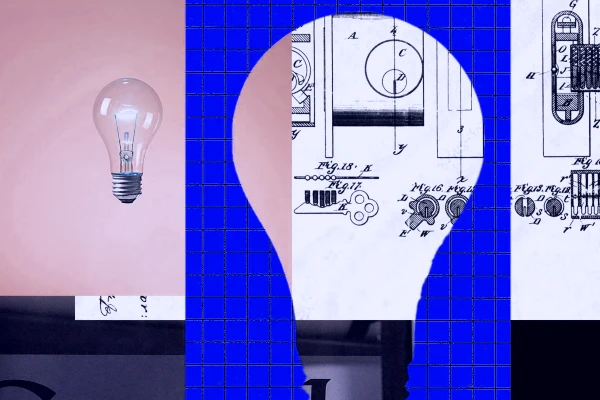
Industrial property protection
We provide technical support to protect the innovation; the legal procedure is handled by an industrial property agent.
- technical prior-art search
- technical documentation for the application
- coordination with your patent agent
How we support the move from prototype to manufacturing
We review the starting point
We analyze how the prototype is built, detect manufacturing limits and prioritize the necessary changes.
- manufacturability
- repeatability
- main risks
We define the strategy according to volume
We align the expected unit range with the most sensible process and decide what to keep and what to redesign.
- expected volume
- realistic process
- transition decisions
We adapt design and production
We improve electronics, PCB, enclosure or assembly to manufacture with more consistency and less risk.
- electronics and PCB
- enclosure and materials
- repeatable assembly
We prepare validation and the next phase
We leave the pilot run or initial production ready, organize the baseline documentation and support compliance decisions when applicable.
- pilot run
- technical documentation
- compliance when applicable
We scale with proper criteria
We iterate, validate the process and leave the product ready to grow with less improvisation.
- iteration
- process validation
- a base prepared to scale
Why work with RobotUNO
Complete product view
We understand the product from prototype to production, not as disconnected phases.
Design and manufacturability together
We do not treat electronics, design and manufacturability as separate worlds.
Strategy based on real volume
We adapt the transition to the expected quantity and the real maturity of the project.
Iterate or scale, with sound criteria
We help decide when it makes sense to keep refining and when it makes sense to prepare manufacturing.
Technical and product vision
We support the transition while thinking about process, validation, cost and continuity of the product.
Compliance considered early
We consider manufacturing and compliance in advance to reduce surprises in more expensive phases.
Real industrialization with sound technical criteria
We support the move from prototype to manufacturing with realistic technical decisions, reviewing processes, volumes, assembly, validation and feasibility so the product can scale without improvisation.
From prototype to production
We prepare the product for manufacturing with more control, reviewing electronics, assembly, documentation and the key decisions needed for a solid transition to production.
Decisions based on real volume
We define the most sensible path according to units, process, materials, enclosures, assembly and cost, aligning the technical strategy with the expected volume.
Scaling with product vision
We support the move toward series production and final validation while keeping the focus on technical feasibility, repeatability and real manufacturing readiness.
You can also explore our portfolio or contact us to explain your context.
Does your prototype already work and you want to take it to the next level?
If you need to move from one functional unit to a real manufacturing strategy, we can help you define the most logical path according to the product, the volume and the maturity of the design.
Production, materials and decisions that matter when scaling
Each phase demands different decisions. We choose the right approach according to the volume, the product type and the maturity of the design.
Related services: Electronic product development (PCBs, firmware, prototyping and validation) and Mobile apps & AI. Not sure where to start? Begin with Start your project.
Frequently asked questions
When does it make sense to move from prototype to manufacturing?
When the prototype already solves the main function and the next challenge becomes manufacturing it with more consistency and less improvisation.
Is my prototype already ready for production or does it need changes?
In many cases it needs changes. A prototype that works is not necessarily optimized for repeatability, assembly or cost.
Which strategy makes sense depending on the number of units?
It depends on the product, but indicative ranges help decide whether it makes sense to keep iterating, prepare a pilot run or study more industrial processes.
Do you work from short runs up to larger manufacturing?
Yes. We can support short runs and advanced validation as well as a strategy that is better prepared for volume.
When does it make sense to move from 3D printing to injection molding?
Usually when the volume, repeatability and unit cost justify studying tooling and a more scalable redesign.
Can you help us with volume PCB production and electronics manufacturing?
Yes. We can review the PCB, prepare it for manufacturability and support the transition to a more repeatable production logic.
Can you support us with CE marking when applicable?
Yes. We help with technical preparation and compliance planning whenever it applies to the product and target market. Here we explain what CE marking costs for an electronic product and how to avoid overspending.
Can an NDA be signed?
Yes. If the project requires it, we can sign a confidentiality agreement before reviewing sensitive details.
What do you need to assess this phase?
It helps us to see the current prototype, understand the expected volume and know the technical maturity of the product.
Let's talk about how to scale your product
If your prototype already works and you need to prepare it for manufacturing with more consistency, more volume and less risk, RobotUNO can help you define and execute that transition with solid technical criteria.