Functional prototyping
Validate your idea without spending thousands on prototypes
We build functional prototypes to help you confirm whether your product makes sense before you invest in a more advanced version.
- Reduce technical risk from the start
- Validate with real users
- Learn fast without overbuilding
- Make data-driven decisions before scaling
Validate before you scale
Validating an electronic product should not be a luxury reserved for large companies.
At RobotUNO, we help you build functional prototypes quickly so you can check whether your idea makes sense before investing more time and money in a final version.
Many projects fail for the same reason: they try to build a perfect solution too early, before the essentials have been validated.
The mistake is not prototyping. The mistake is prototyping too early
We have seen many projects arrive with drained budgets after investing in advanced prototypes they did not need yet.
Before designing a final PCB or preparing manufacturing, the key is to answer basic questions:
- Does the product really solve a problem?
- Does the user understand its value?
- Which features are essential?
- Which parts are unnecessary?
- Does it make sense to keep investing?
Why a minimal prototype is usually better at the beginning
Lower initial cost
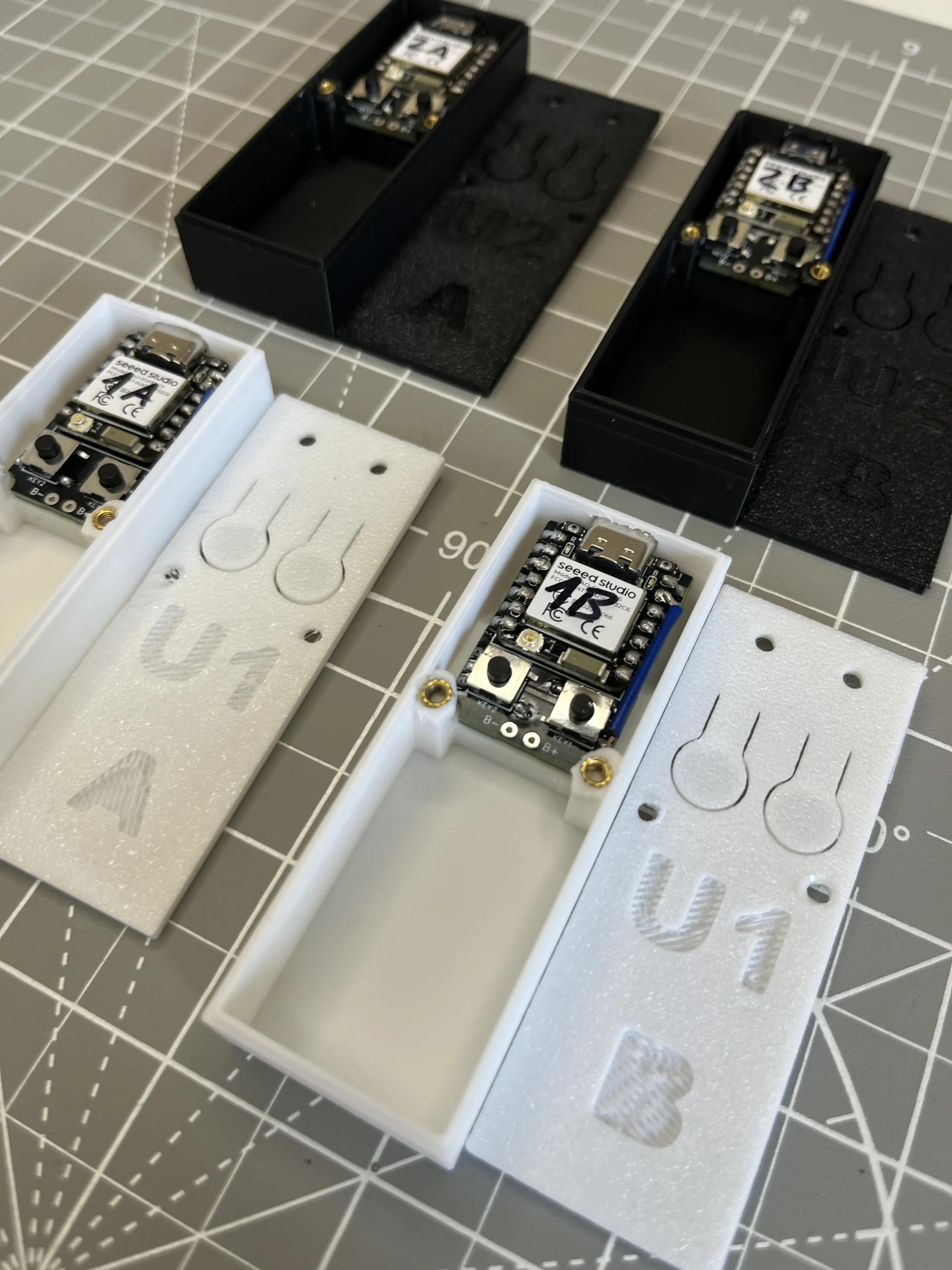
Using development boards, functional modules, sensors and a temporary structure lets you validate much faster without taking on the cost of a final version.
More speed
The sooner you have something functional, the sooner you can show it, test it and identify what works and what does not.
Real learning
Each fast iteration gives you useful information about design, usage, user needs and technical feasibility.
Less risk
You avoid investing too early in a closed solution that still has not been validated.
Better feedback
A functional prototype, even a simple one, helps you get real responses from users, customers or investors.
A real-world approach
One client came to us with the idea of a smart irrigation system.
Instead of starting with custom final electronics, we first assembled a temporary version using:
- ESP32
- sensors
- water pumps
- basic control logic
Within a few days, they already had something functional to test, collect data and decide which features were worth keeping before moving to a more advanced phase.
How we validate an idea at RobotUNO
We work with a simple logic: build what is needed to learn quickly and make better decisions about the next phase.
We define the essentials
- we identify the real problem
- we define the prototype goal
- we reduce features to the minimum required
We build a functional prototype
- we use development boards, modules, sensors or temporary electronics
- we assemble a useful first version for testing
- we avoid unnecessary complexity
We test it in a real context
- we validate through real use or with real users
- we measure usefulness, failures, behavior and needs
- we gather feedback before scaling
We decide the next phase
- iterate
- redesign
- move to a final PCB
- prepare industrialization
- or stop in time without wasting the budget
What the validation phase includes
- initial idea analysis
- definition of minimum features
- selection of suitable technologies
- functional prototype development
- testing and iterations
- early technical validation
- foundation for the next development phase
Is this the right approach for your project?
This service fits if...
- you have an idea and want to validate it before investing more
- you need a physical MVP or functional prototype
- you want to show something real to customers or investors
- you do not want to spend thousands on a final version too early
- you need to make decisions based on data instead of assumptions
It is not ideal if...
- you already have a closed specification and only want final production
- you do not want to iterate
- you are looking for a final aesthetic solution without a prior validation phase
Real prototypes, real testing, better decisions
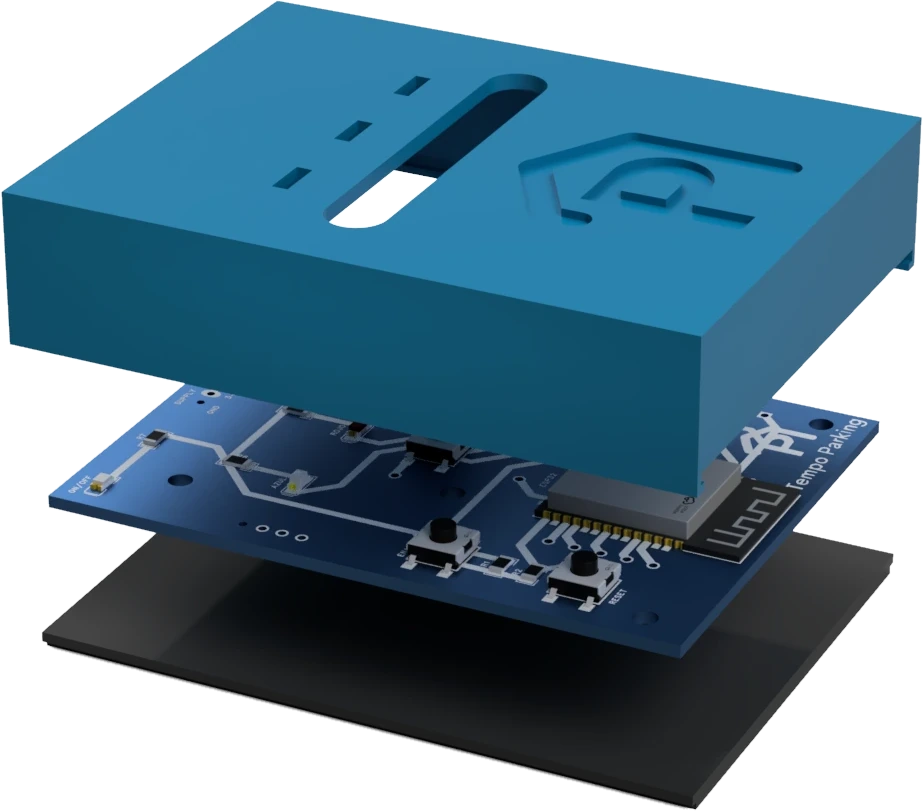
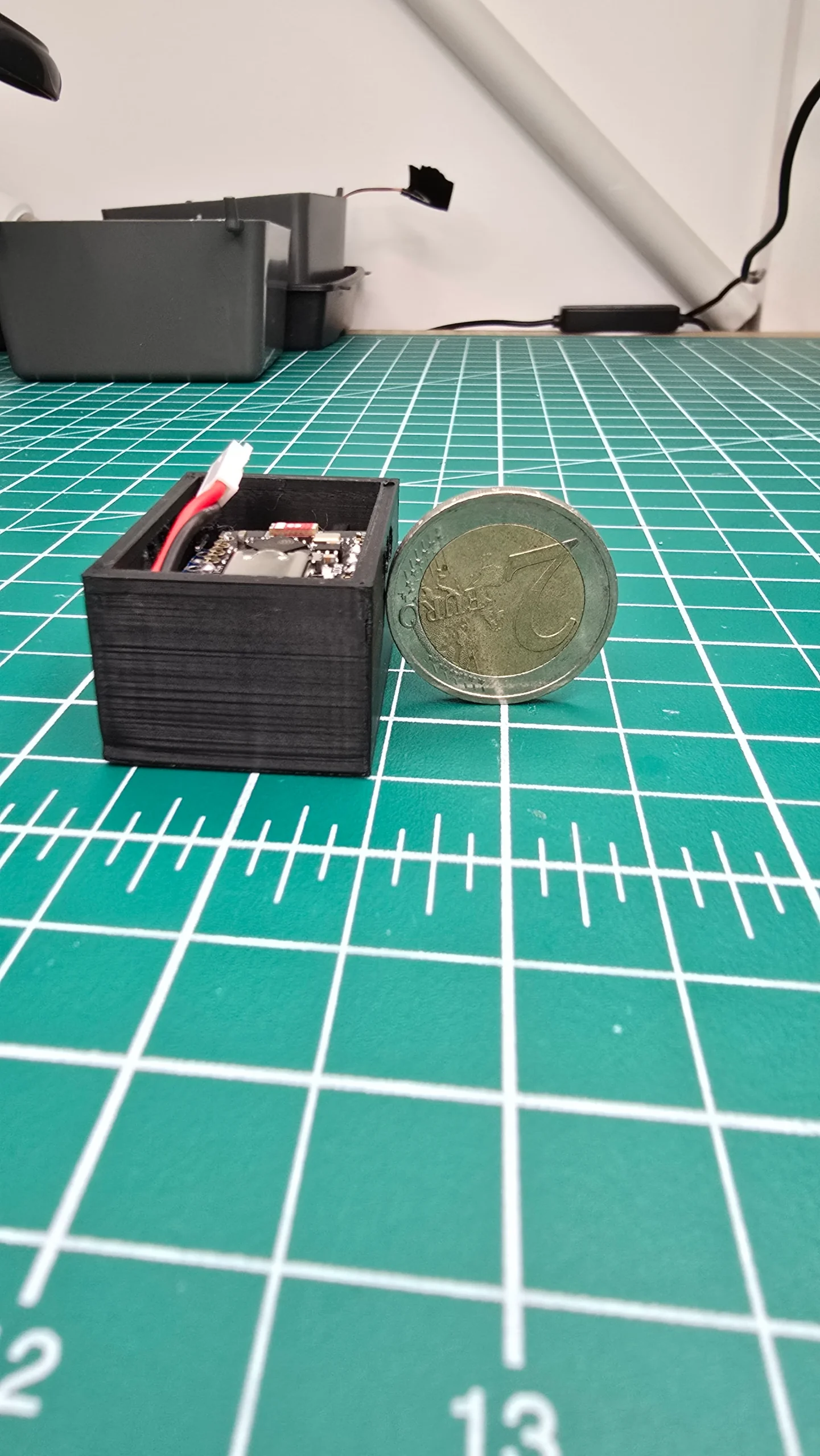
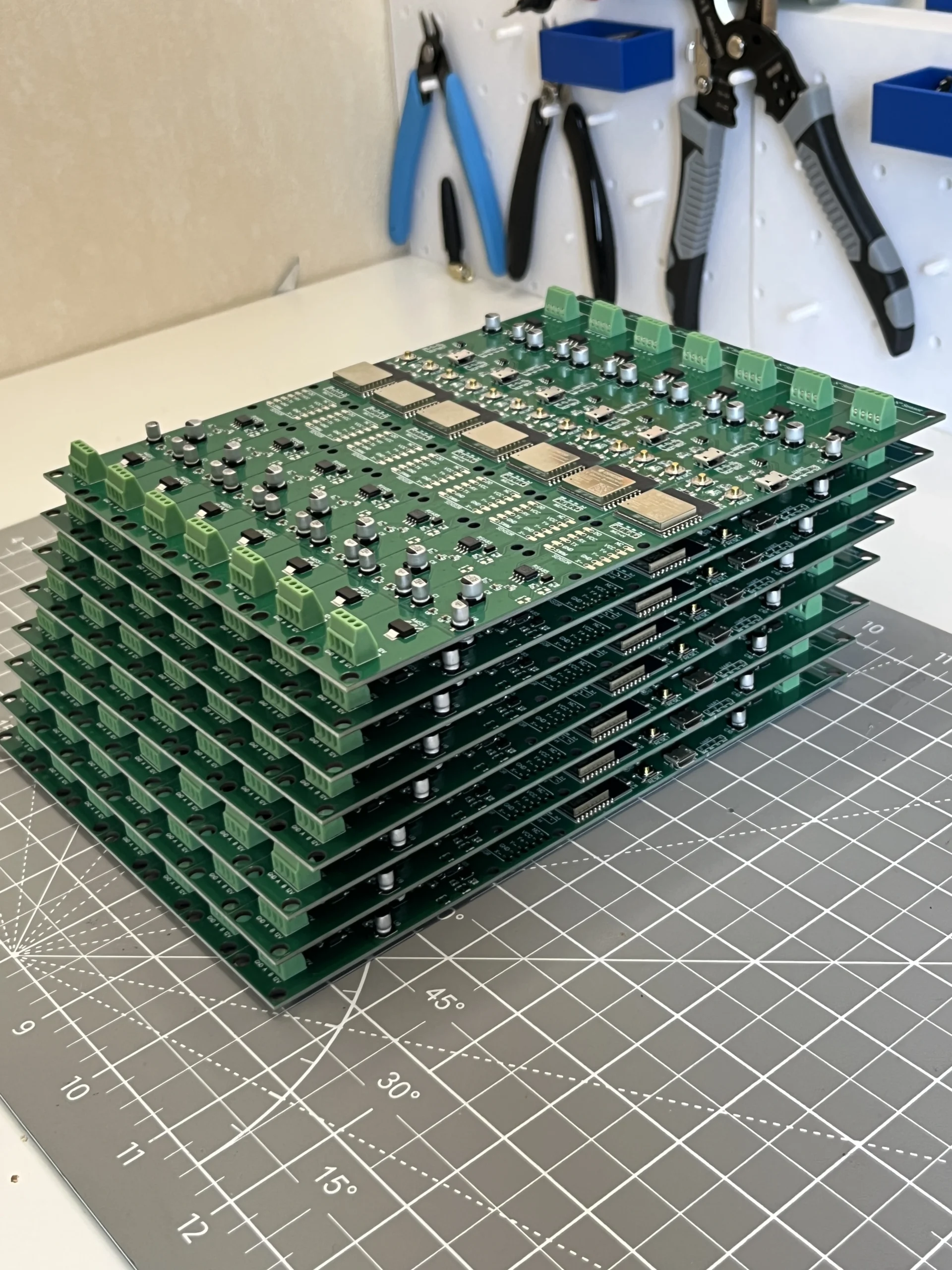
This page is ready to support the process visually with photos, technical details and real validation examples.
Validate first. Scale later.
Building a functional prototype is not about making something pretty. It is about learning fast, reducing risk and making better decisions before investing in a final version.
If you have an idea and want to turn it into something real without burning budget on unnecessary phases, RobotUNO can help.
Frequently asked questions
What is the difference between a functional prototype and a final prototype?
A functional prototype is used to validate usefulness, technology and behavior with the lowest possible risk. A final prototype is already planned with a fixed design, manufacturing criteria and the definitive version in mind.
Can you help us even if we only have an early idea?
Yes. We can start from a very early-stage idea, organize priorities and define what the first functional version should include to validate it properly.
Do you work with startups as well as companies?
Yes. We work both with projects starting from scratch and with companies that want to validate a new product line or a specific device.
Do you need a custom PCB to validate the idea?
Not always. In many early stages, it makes more sense to use development boards, modules and temporary electronics so you can learn fast before locking a final version.
Which technologies do you use for this phase?
It depends on the case, but we usually work with development boards, sensors, connectivity and functional electronics that allow validation without oversizing the project.
Can you evolve the prototype into a version ready for industrialization?
Yes. If validation confirms that the product makes sense, we can help you evolve it toward a more advanced design phase, a final PCB and preparation for manufacturing.
Can we sign an NDA before starting?
Yes. If the project requires it, we can sign a confidentiality agreement before going into technical details.