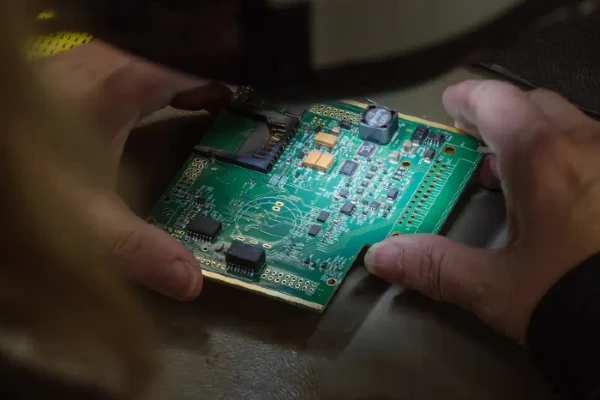
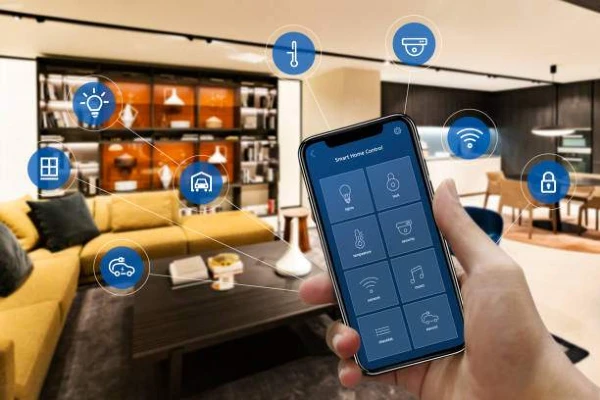
We develop custom firmware and embedded systems
The logic that makes your device work: control, sensors, communications and integration with real hardware.
We develop robust firmware for electronic products, IoT devices and embedded systems with a focus on reliability, maintainability and real behavior.
- clear requirements for Firmware and embedded systems
- architecture aligned with the product stage
- validation with real hardware and real use
- maintainable implementation for future iterations
This service is a good fit if your product needs a serious firmware foundation
It is designed for devices, electronic products and connected systems that need stable control logic aligned with the real product.
Electronic devices
Companies developing a product that need the electronics to behave reliably and coherently.
Startups with a prototype
Teams that have already tested an idea and now need a stronger firmware foundation to keep moving forward.
Sensors and actuators
Projects that integrate inputs, outputs, events and automation and need embedded logic that is properly solved.
IoT and connectivity
Connected devices that need robust firmware to handle communications, states and real behavior.
Control and automation
Products that require sequences, states, timing and stable response under real conditions of use.
Reworking existing firmware
Teams that want to professionalize a fragile or hard-to-maintain code base before the product grows further.
What we do at RobotUNO with the product firmware
We divide the service into three fronts so the embedded logic stays clear, integrated with the hardware and ready to operate reliably.
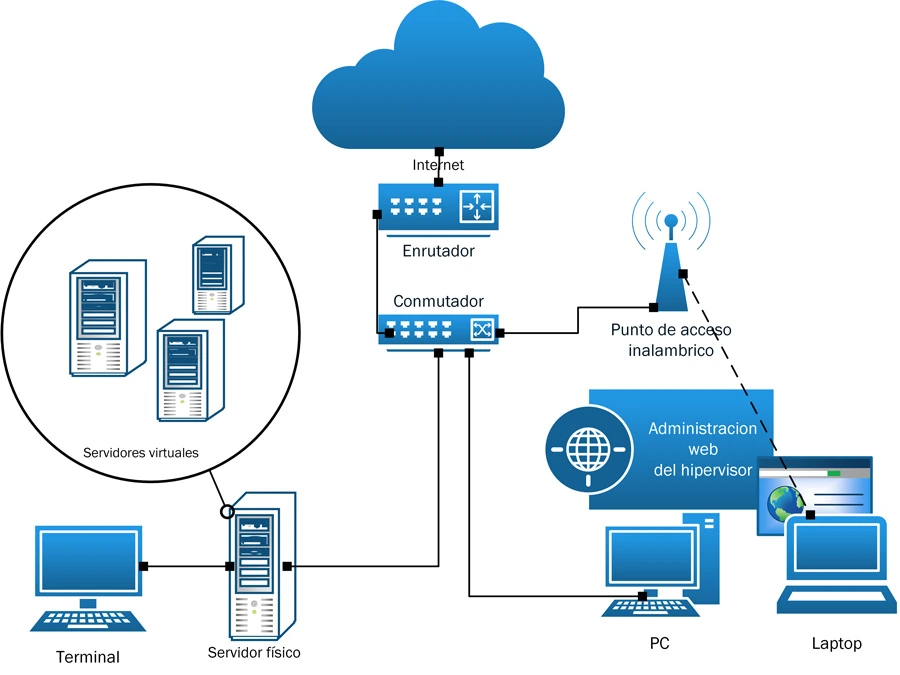
We design the system behavior
We define how the device should respond in every situation so states, events and sequences do not depend on an improvised implementation.
- system states, timing and priorities
- stable input and sensor reading
- consistency between behavior and the product goal
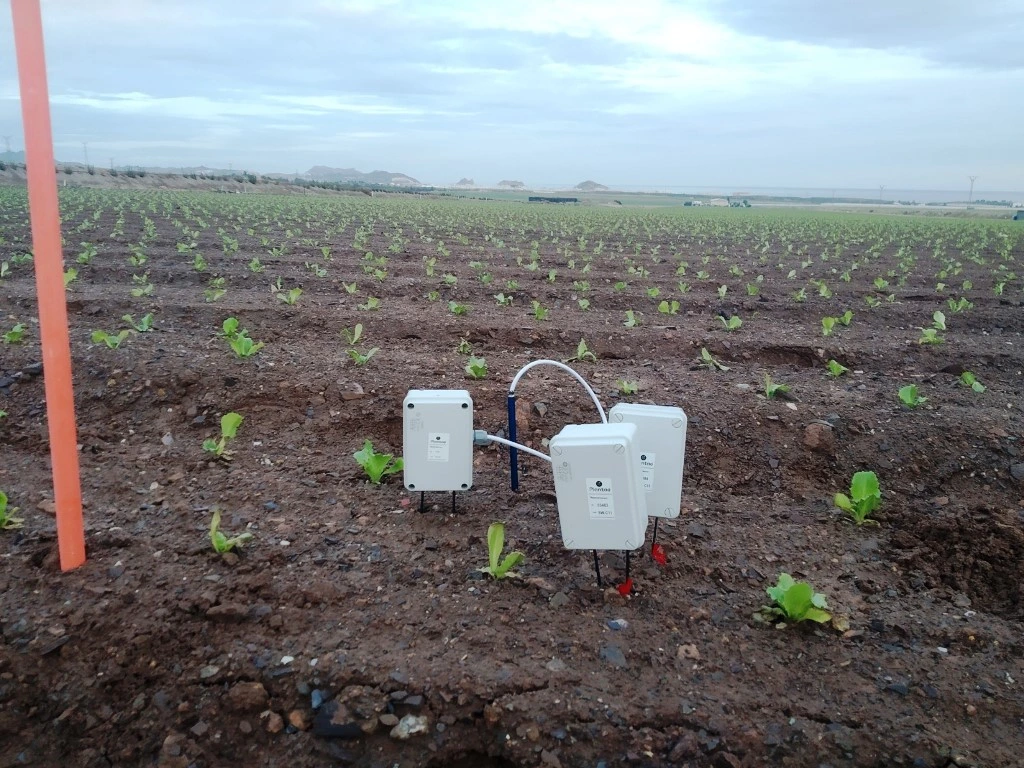
We connect firmware to real electronics
We work on real hardware to integrate sensors, actuators, buses and communication protocols on a maintainable foundation.
- sensors, actuators and peripherals
- BLE, WiFi, LoRa, LTE or buses when applicable
- synchronization between electronics and embedded software
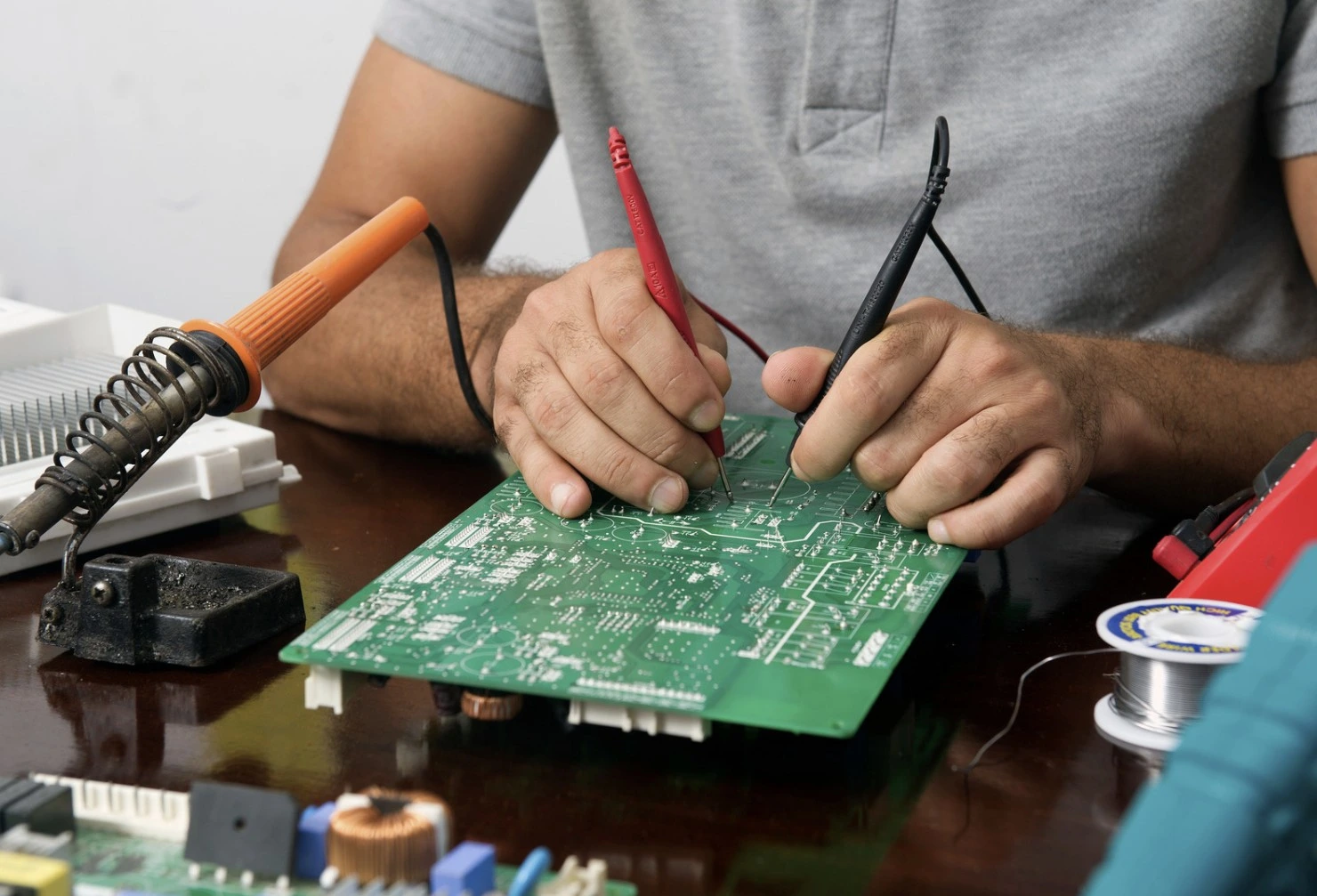
We make the system more robust
We test, debug and adjust the embedded foundation to reduce difficult faults, improve stability and leave a reasonable platform for growth.
- bench testing and fault review
- stability, timing and response adjustments
- a maintainable base for new functions
The hardware may be fine and the product can still fail
In many projects the problem is not the electronics itself, but the logic that controls it. Weak, improvised or poorly structured firmware creates instability and a fragile base for growth.
Unpredictable behavior
The device works only partially or responds differently depending on context, time or the sequence of use.
Logic built in a rush
The system depends on code that is hard to maintain, understand or extend when the product starts to mature.
Sensor and state failures
Errors appear in events, timing, readings or state transitions because the foundation is not properly organized.
Unstable communications
BLE, WiFi, LoRa or LTE fail when the embedded architecture does not manage retries, timing and synchronization well.
Costly debugging
Without a clear structure, every change introduces risk and every fault consumes too much bench and real-world testing time.
A fragile base for evolution
If the firmware is not conceived as part of the product, scaling it toward IoT, an app, new features or industrialization becomes much harder.
We develop the logic that turns electronics into a product
At RobotUNO we develop firmware and embedded systems with sound technical criteria, integrated with the hardware and designed to work in a real device.
Control logic
We define how the device should respond so its behavior makes sense as a product, not just as a technical demo.
Sensor integration
We read, process and integrate sensors into stable logic that responds properly under real environmental conditions.
Actuators and outputs
We manage motors, relays, signals, alarms and other outputs with the sequence and coordination the system requires.
State machines
We structure the device behavior so states, transitions and events stay clear and maintainable.
Timing and events
We resolve timing, sequences, triggers and priorities to avoid erratic behavior or behavior driven by chance.
Embedded communications
We integrate protocols and links so the device can communicate with other equipment, an app, the cloud or a backend when required.
Power management
When the product needs it, we define low-power modes, wake-up behavior and consumption strategies aligned with autonomy and real use.
Validation on hardware
We test and iterate on real boards and devices so stability and response do not remain theoretical.
What this service includes
Architecture and development
- functional analysis of the device
- firmware architecture definition
- control-logic development
- integration with sensors and actuators
- management of events, states and timing
Integration and robustness
- development of embedded communications
- testing on real hardware
- stability review and improvement
- a base prepared for future evolution
- technical support during system integration
Types of firmware and embedded systems we develop
What we solve at embedded level
Good firmware is not just code that compiles. It must organize system behavior properly, coordinate inputs and outputs, respond stably and leave room for growth.
Control and states
The core logic of the product: state machines, sequences, automation and stable system behavior.
Sensors and data acquisition
Sensor reading, basic filtering, signal capture and measurement handling so the information becomes useful.
Communications
BLE, WiFi, LoRa, GSM/LTE, UART, I2C, SPI, RS485 and other interfaces when the product needs them.
Events and timing
Management of timing, triggers, priorities and task coordination to avoid erratic responses.
Integration with the complete system
We connect firmware with hardware, app or cloud when needed so the product has a coherent foundation across all layers.
How we develop firmware for a real product
We understand the device behavior
We analyze what the system must do and how it relates to inputs, outputs, states and real constraints.
- real product usage
- inputs, outputs and events
- alignment with business goals
We design the embedded architecture
We organize the internal logic, modules, communications and system flow on a maintainable foundation.
- clear architecture
- modules and responsibilities
- a base prepared to grow
We develop and integrate
We program the control logic and integrate sensors, actuators and communications while working on real hardware.
- system control
- embedded integration
- bench testing
We test and adjust
We validate stability, response times and overall behavior to correct faults and weak points.
- stability
- debugging and adjustment
- robustness improvements
We prepare the evolution
We leave a base ready to grow with new features, stronger connectivity or integration with other product layers.
- future iterations
- reasonable maintenance
- product vision
Why work with RobotUNO
Firmware designed as part of the complete product
We do not treat embedded software as an isolated layer, but as part of the real behavior of the device.
Hardware and software under one vision
We coordinate electronics, sensors, control and communications so the technical layers do not contradict each other.
No improvisation on fragile foundations
We look for a reasonable architecture from the start so every step forward does not become technical debt.
Reliability and testing
We prioritize stable behavior, validation on real hardware and consistent system response.
Integration with sensors and communications
We solve the firmware with sound technical criteria so interfaces and control behave like one system.
Future evolution
We turn prototypes or early foundations into stronger, more maintainable systems prepared to grow.
Firmware, validation and integration on real hardware
We develop and validate firmware directly on boards, sensors and connected systems, checking that the logic, communication and device behavior stay stable before the next phase.
Testing on hardware
We run validation tests on the bench and on real boards to confirm that the firmware, control logic and system behavior operate correctly before delivery or integration.
Sensors and embedded logic
We integrate sensors, data capture, state management and system debugging so the device is tuned, stable and ready to operate reliably under real conditions.
Communications and integration
We develop the firmware so it communicates correctly with connectivity layers, an app, the cloud or a backend, leaving the full hardware-software-system integration properly prepared.
Related services and next steps
- Electronic product development
- PCB design and manufacturing
- IoT
- Android/iOS apps
- Embedded AI / Edge AI
- MVP
- Industrialization and mass manufacturing
- Portfolio
- Contact
Does your device need a stronger firmware foundation?
If you need your product to respond better, behave more consistently or integrate sensors, control and communications correctly, we can help you build a serious embedded foundation.
Technologies we work with
We select the right architecture and technologies according to the product, the electronics and the kind of behavior the system needs.
Frequently asked questions
Can you develop firmware from scratch for a device?
Yes. We can start from the idea, the existing hardware or a functional specification to build an embedded foundation adapted to the product.
Do you work only on embedded software or also on the hardware?
We can work only on firmware if the hardware is already defined, but our main value is coordinating both layers when needed.
Can you rewrite or improve existing firmware?
Yes. We review the current base, detect its limits and propose an improvement or refactor when the product needs a stronger architecture.
Do you integrate sensors, communications and control logic?
Yes. That is one of the core parts of the service: coordinating inputs, outputs, states and communications coherently.
Do you work with IoT and connectivity in addition to firmware?
Yes. We can integrate connectivity and IoT logic when the device needs to send data, receive commands or communicate with other layers.
Do you test on real hardware?
Yes. Validation on a real board or device is essential for the firmware to behave properly outside the theoretical environment.
Can an NDA be signed?
Yes. If the project requires it, we can sign a confidentiality agreement before going into detail.
What do you need to assess a firmware project?
It helps us to understand the device, the available electronics, the expected behavior, the communications involved and the current stage of development.
Let's talk about the firmware your product needs
If you are developing a device, an embedded system or a connected product that needs a robust firmware foundation, RobotUNO can help you design and integrate it with solid technical criteria and real product vision.