Validating an idea is not about asking people you know whether it “sounds interesting”. It means checking, with signals that are as real as possible, whether there is a relevant problem, whether someone is willing to solve it in a specific way and whether it is worth investing more resources in that direction.
Most product mistakes happen because development, design or manufacturing investment starts too early, before enough uncertainty has been removed. Good validation does not guarantee success, but it does prevent you from moving forward blindly.
Early validation saves a lot of money. Every important decision you make without real evidence usually reappears later as extra cost, delays or a product that never finds fit.
Table of contents
What It Means to Validate an Idea
Validating an idea means moving from intuition to a testable hypothesis. An idea can feel brilliant in the abstract and still fail the moment it comes into contact with the market, real operations or technical constraints.
Validation aims to answer concrete questions: whether the problem really exists, whether it is important enough, whether the target customer recognises it as a priority, whether the proposed solution is understandable and whether there is a reasonable way to build it and sell it.
You do not need to answer everything in one day, but you do need to move forward in an ordered way. Validation is not a formality before development. It is part of product development itself.
What You Should Verify Before Investing
1. A real problem
The first step is to confirm that the problem exists and is not just a personal perception. If the problem does not hurt, the product does not drive a buying decision. At this stage you want to understand frequency, impact, the current cost of the problem and how people solve it today.
2. A specific customer
An idea is not validated “for everyone”. You need to define who feels the problem most clearly, who can decide the purchase and who truly benefits from the solution. The more diffuse the customer is, the harder it becomes to interpret any signal.
3. A value proposition
It is not enough for the problem to exist. You also need to confirm that your approach brings something relevant: more speed, lower cost, more control, fewer errors, a better experience or a new capability that does not exist today.
4. Technical feasibility
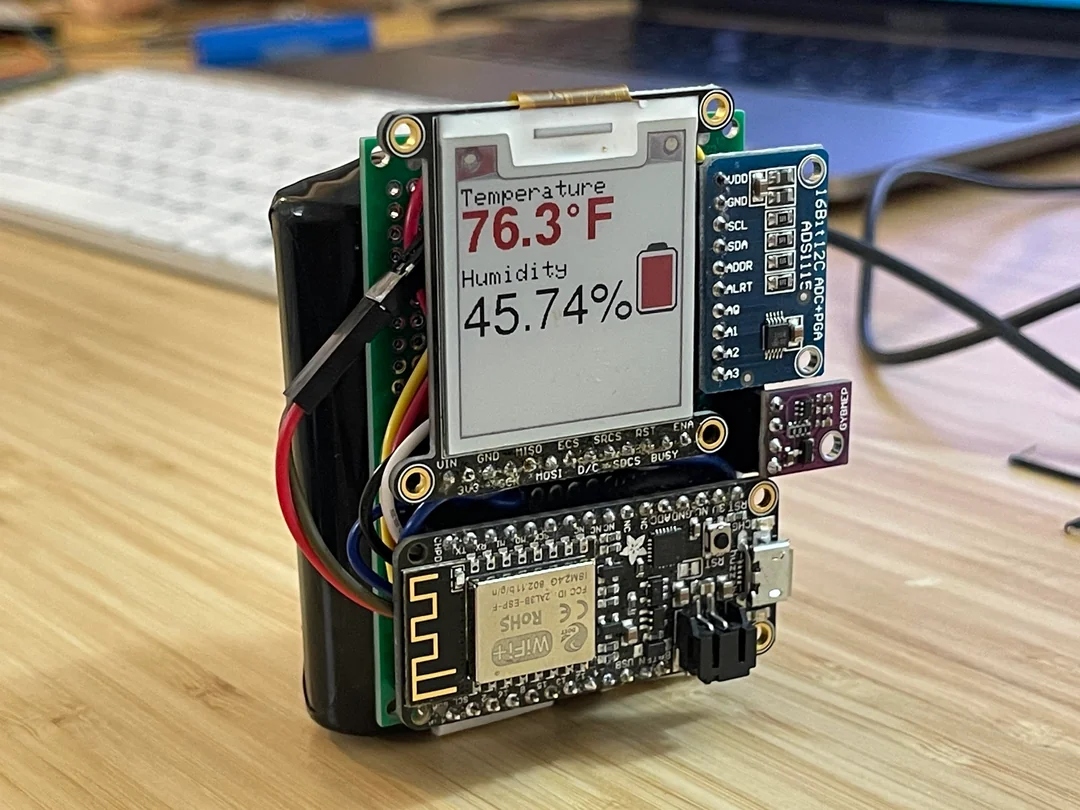
Some ideas are attractive until you try to land them in reality. They may require impossible battery life for that size, sensors that are unreliable in real conditions, connectivity that is hard to maintain or manufacturing costs that do not fit the market. That is why business validation and technical validation need to move forward together.
5. The minimum economics of the project
Even at an early stage, it is worth estimating ranges. If solving the problem requires expensive technology, complex assembly or heavy operational support, the opportunity may stop making sense even if interest exists.
How to Get Real Signals Without Building Too Much
One of the best mistakes you can avoid is developing too soon. Before launching a complex prototype, you can get valuable signals in lighter ways.
- Talk to real users: not to sell them the idea, but to understand their context, how they work and the current cost of the problem.
- Observe processes: when you can see how the problem happens in practice, you understand better where the value is and which requirements you had not considered.
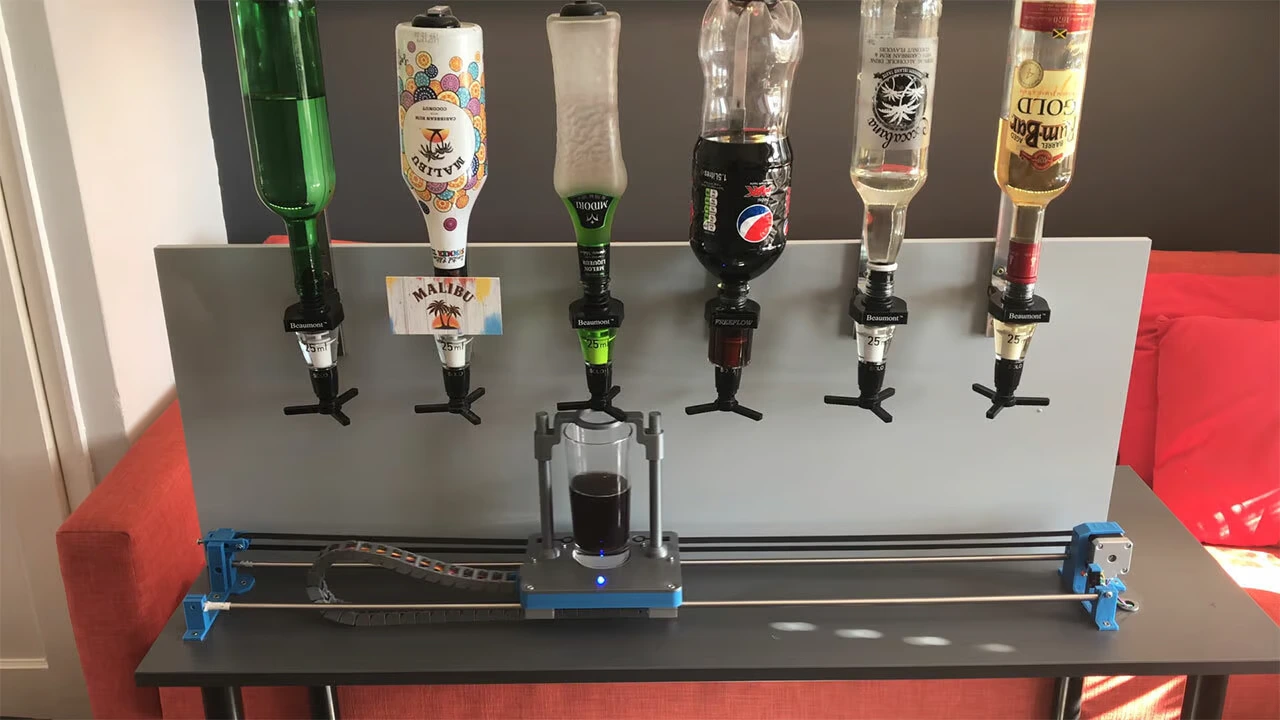
- Test interest with a concrete proposal: a conceptual demo, an explanatory page, a sales presentation or a preliminary quote can reveal much more than an abstract conversation.
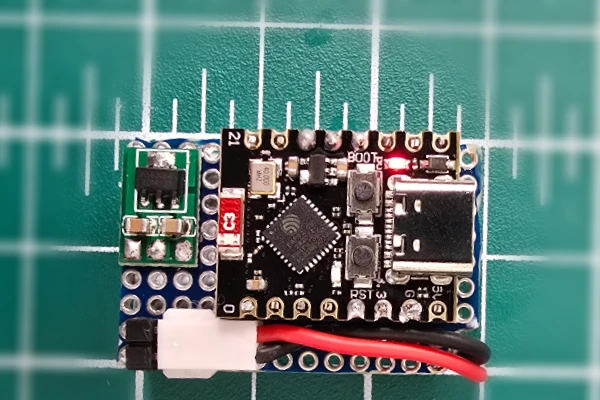
- Check basic technical feasibility: a quick electronics, firmware, connectivity or mechanical proof can save weeks of work in an impossible direction.
- Measure commitment, not just opinion: a polite opinion is worth little. A follow-up meeting, shared data, a pilot test or purchase intent is worth much more.
Good signal: when a potential customer not only understands the proposal, but also gives you time, shares real constraints and wants to keep talking about the next step.
Common Validation Mistakes
- Confusing polite interest with real demand: many people say something “sounds good”, but that does not mean they will adopt it or pay for it.
- Looking for confirmation instead of learning: if you only ask questions to hear what you want, you are not validating; you are reinforcing a belief.
- Talking about the solution too early: sometimes it is better to start with the problem and the context before presenting the product.
- Developing to answer questions that could have been answered earlier: building is not always the logical next step.
- Failing to record what you learn: if you do not document objections, patterns and conditions of use, you will end up repeating interviews without gaining clarity.
- Validating only the business side or only the technical side: an idea can attract the market and still be technically unfeasible, or the opposite.
When It Makes Sense to Move to a Prototype
Moving to a prototype makes sense when you have already reduced enough uncertainty that building a first version will provide more information than continuing with interviews or hypotheses alone. That moment usually arrives when:
- the problem and the customer are fairly clear,
- the value proposition is already understood,
- you have detected real signals of interest,
- the major technical doubts have been identified,
- and you know exactly what that first prototype needs to demonstrate.
A prototype should not be used to discover from scratch whether the product makes sense. It should be used to answer the questions that only technical experimentation can answer.
Validation Is Not Slowing Down, It Is Deciding Better
Validation is often experienced as a delay, when in reality it is a well-planned acceleration. The sooner you detect that an idea needs to change, the more room you have to pivot without consuming too much budget or wearing down the team.
Good validation does not kill good ideas; it makes them stronger. And the ideas that do not survive serious validation are usually the very ones that would have generated the highest cost if they had moved forward without a filter.
In short: if you want to make good product decisions, you need evidence, not just enthusiasm. Validation is the process that turns intuition into a project with solid foundations.