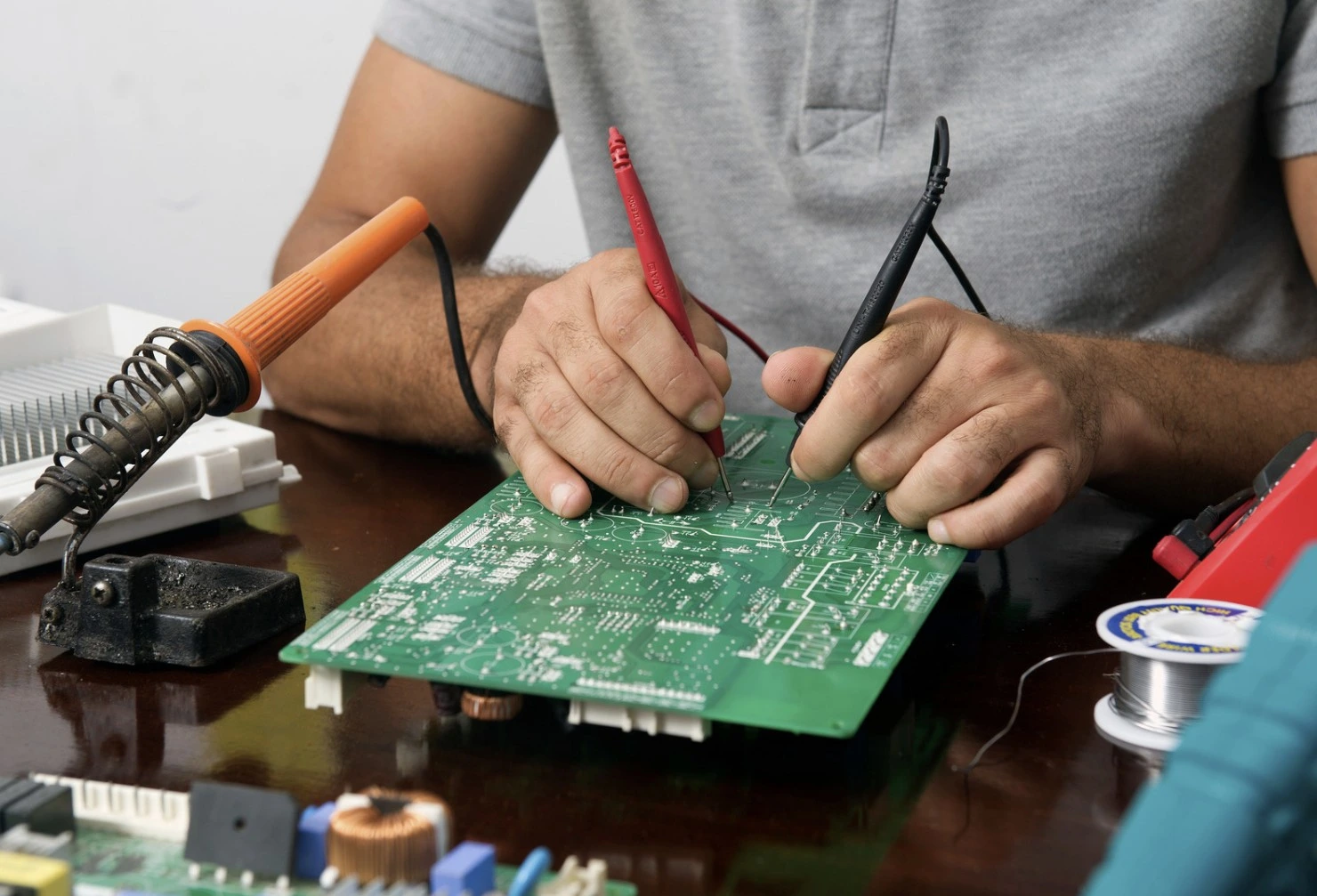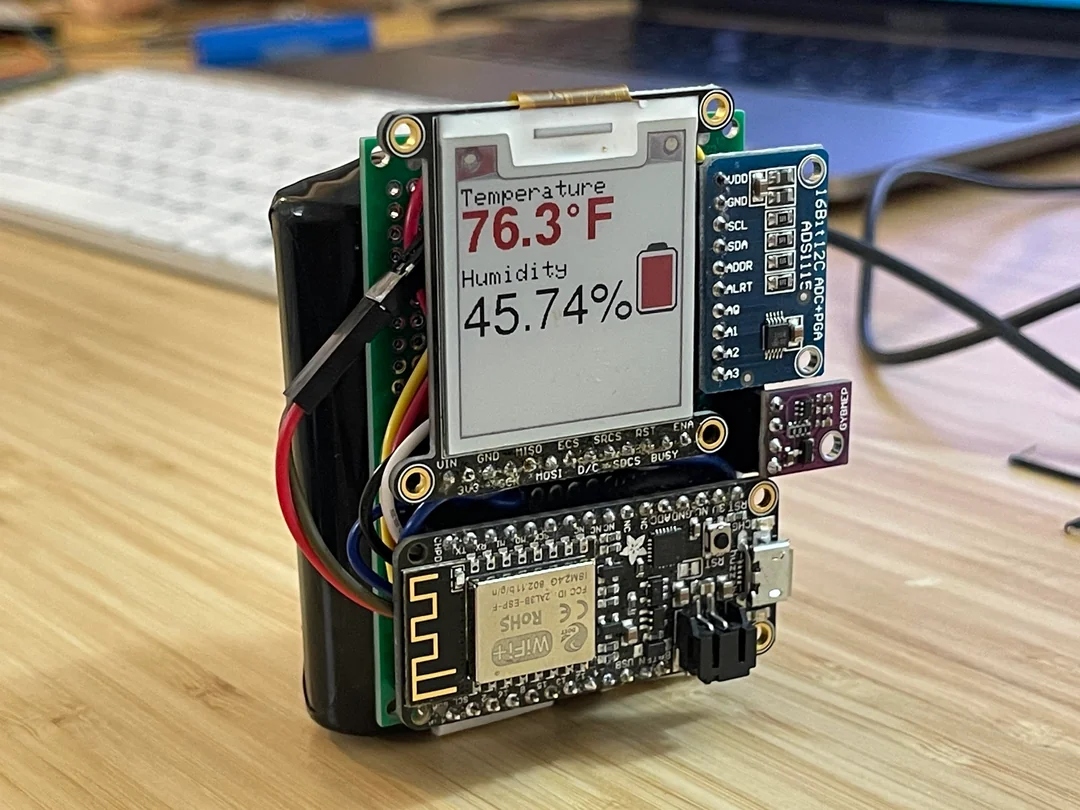
Building an electronic prototype is one of the most exciting stages of any product project, and one of the most stressful as well. It is also one of the most delicate.
If you make any of these mistakes, you can end up wasting time, money or even losing the product altogether. At RobotUNO, as a prototyping agency, we want to share what to avoid based on our experience.
1. Skipping idea validation
Starting to develop and solder without knowing whether anyone actually needs what you are building is the most common mistake. Before investing in an electronic prototype, validate your idea with real users. A quick survey, a conversation or a sketch can save you weeks or even months of work and frustration.
2. Doing everything alone
Designing the electronics, writing the code, modelling the enclosure and preparing the presentation may sound motivating, but doing everything on your own is a fast route to collapse. Working with a prototyping agency lets you delegate each part of the process to specialists, from the schematic to the functional delivery, so you can focus on what really matters: finding your first customers and sales channels.
3. Using whatever components are available
It is tempting to use whatever parts you already have at home, but designing an electronic prototype with random components only works for quick tests. If you do not think about the availability of those components for future production, you will end up redesigning everything. A prototyping agency works from the start with standard components that are easy to source at volume.
4. Failing to document every step
When days go by and you have several prototypes on the table, not knowing which version includes which changes becomes a nightmare. Good documentation from the beginning lets you move forward without stepping backwards. In a technical development agency, everything is documented: schematics, firmware versions, detected issues and implemented improvements.
5. Ignoring noise and power issues
A prototype that “works at home” can fail badly in real conditions. Ignoring electrical noise, stable power delivery or proper ground distribution can ruin your project. A prototyping agency designs for robustness: not just to make it work, but to make sure it does not fail.
6. Staying on the prototyping board
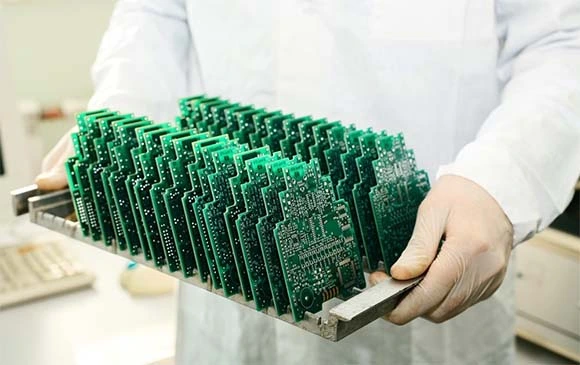
Arduino is great for testing ideas, but if you stay there, your product will be expensive, bulky and unstable. The natural step after validating your idea is to design your own PCB. A specialised agency turns your test prototype into a professional board that is ready for production.
7. Believing the prototype is the final product
A functional prototype does not necessarily meet regulations, pass certifications or come optimised for production. Do not confuse your first version with something that is ready to sell. A prototyping agency helps you move from that stage to a real product that is scalable and commercially viable.
Creating a good electronic prototype is not just about connecting wires. It means having a global view, thinking about production from day one and avoiding mistakes that others have already made. If you want to turn your idea into a real product, work with a prototyping agency that can guide you step by step.