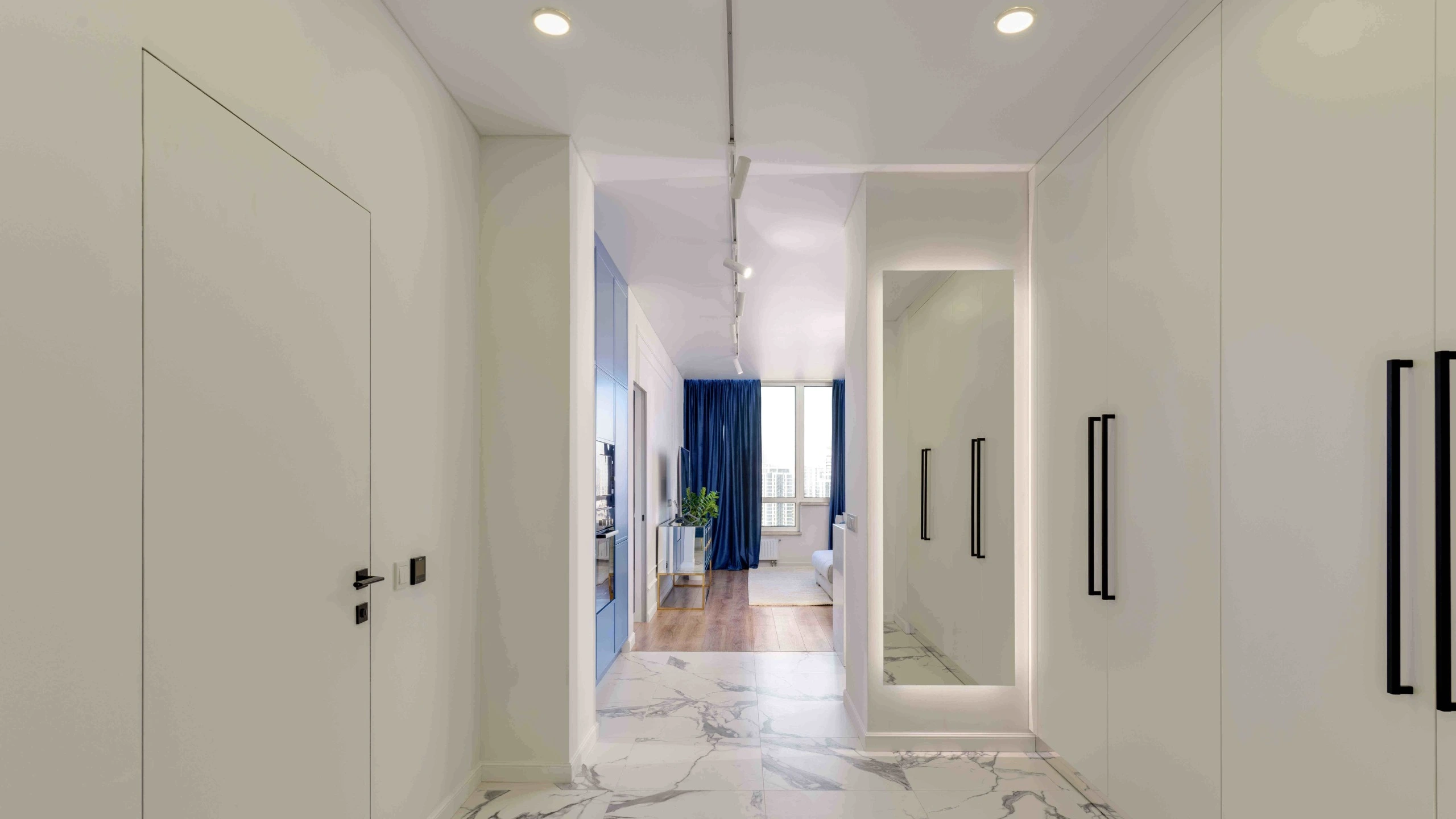
We have all seen hallway lights turn on at the wrong moment or stay on longer than necessary. At RobotUNO, our prototyping agency wanted to solve that waste with a different approach. Instead of programming fixed timers, we built an electronic prototype that combined a motion sensor with a very lightweight AI model.
The goal was simple: the system should learn for itself in which real situations it was worth turning the lights on and, above all, when it was better not to do so.
What Is Inside the Electronic Prototype
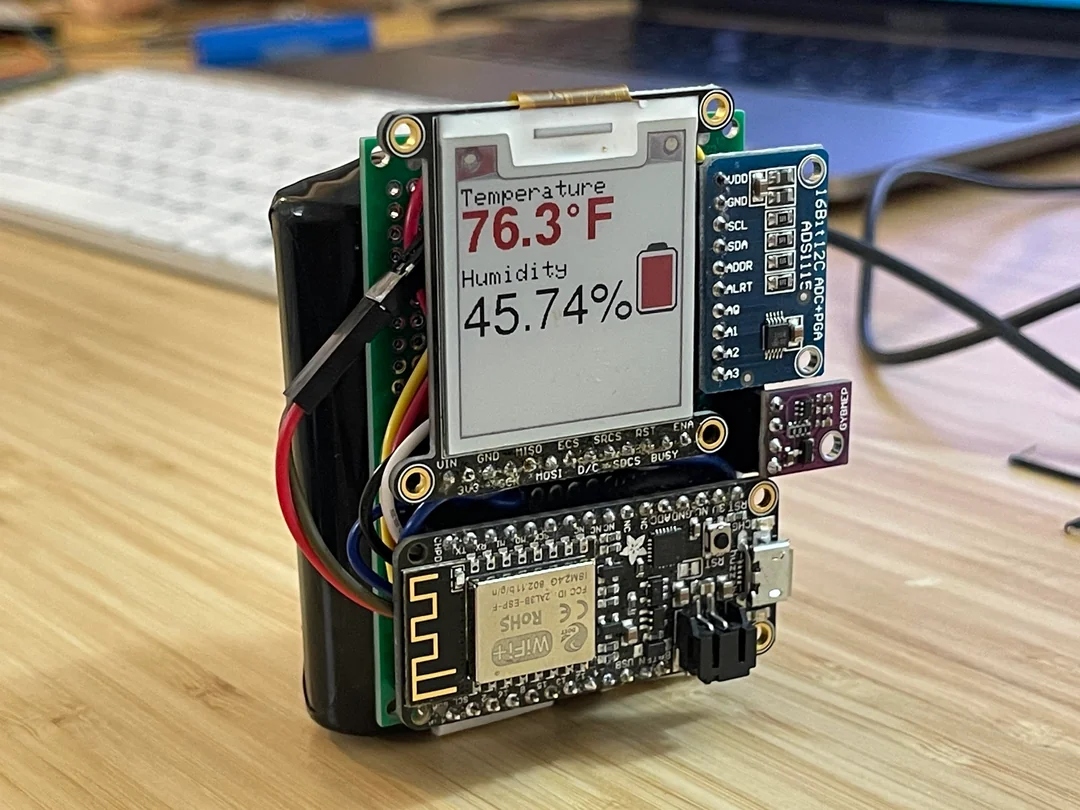
The core of the setup is an ESP32 microcontroller, chosen for its Wi-Fi connectivity and its ability to run TinyML inference. We added a PIR sensor to detect presence and an LED strip as the actuator. We trained a basic model with real usage data: time of day, duration of movement, type of motion and number of consecutive events. There are no complex neural networks here; a lightweight classifier is enough to decide within milliseconds whether the light should turn on or stay off. That is how we achieved smarter automation without sacrificing simplicity or cost.
What the AI Eventually Learned
During the first tests, the system failed often: it triggered when the cat walked by and stayed on after very brief movement. After two days of supervised learning, false alarms dropped sharply. The AI learned that light, low-height movement was not significant and that, at certain times in the early morning, a minimal courtesy light level was enough. The result was clear: fewer unnecessary activations and lower energy consumption with no human intervention.
Why This Project Matters More Than It Seems
A conventional motion sensor always behaves in the same way. Adding a model that learns from context creates genuinely adaptive automation. The benefits are tangible: direct energy savings, more comfort and, in professional environments, an immediate sense of efficiency that users notice. Hotels, 24-hour offices or homes with older adults can reduce costs and avoid inconvenience simply by letting smarter automation make better-informed decisions.
From Prototype to Product: The Next Step
At RobotUNO, we see this development as the basis for a scalable commercial solution. The same lightweight AI approach can be integrated into OEM luminaires or retrofit modules that replace existing detectors. Small-batch production is viable because the hardware is based on low-cost components and open firmware, while model training can be customised for each installation without depending on external services or monthly fees.
Interested in Turning Your Idea into Reality?
If you have a similar concept, or any project where a motion sensor and a little AI could make a difference, let’s talk. At RobotUNO, we turn ideas into functional prototypes that validate the market before large investments. Tell us about your case and we will explore the fastest and most efficient way to get it moving.